Master Active Trading
Free guides, broker comparisons, and trading education resources to help you become a profitable trader.
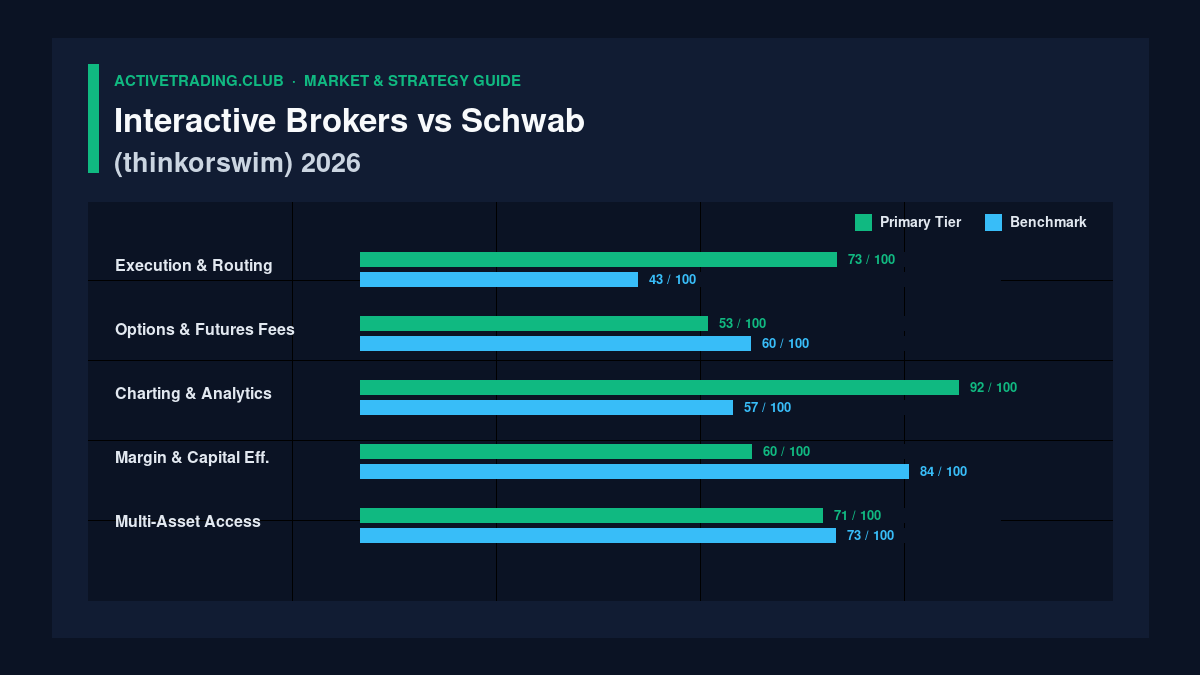
Interactive Brokers (IBKR) and Charles Schwab (Schwab) are the two names that come up in almost every serious “which broker” thread — but they are built for different traders. Interactive Brokers is a global, multi-asset execution platform: 150+ market centers, rock-bottom margin rates, and institutional-style APIs. Charles Schwab is a US full-service brokerage whose killer feature for active traders is thinkorswim — the pro-grade platform it inherited from TD Ameritrade — plus deep research, education, and branch-level support. ...
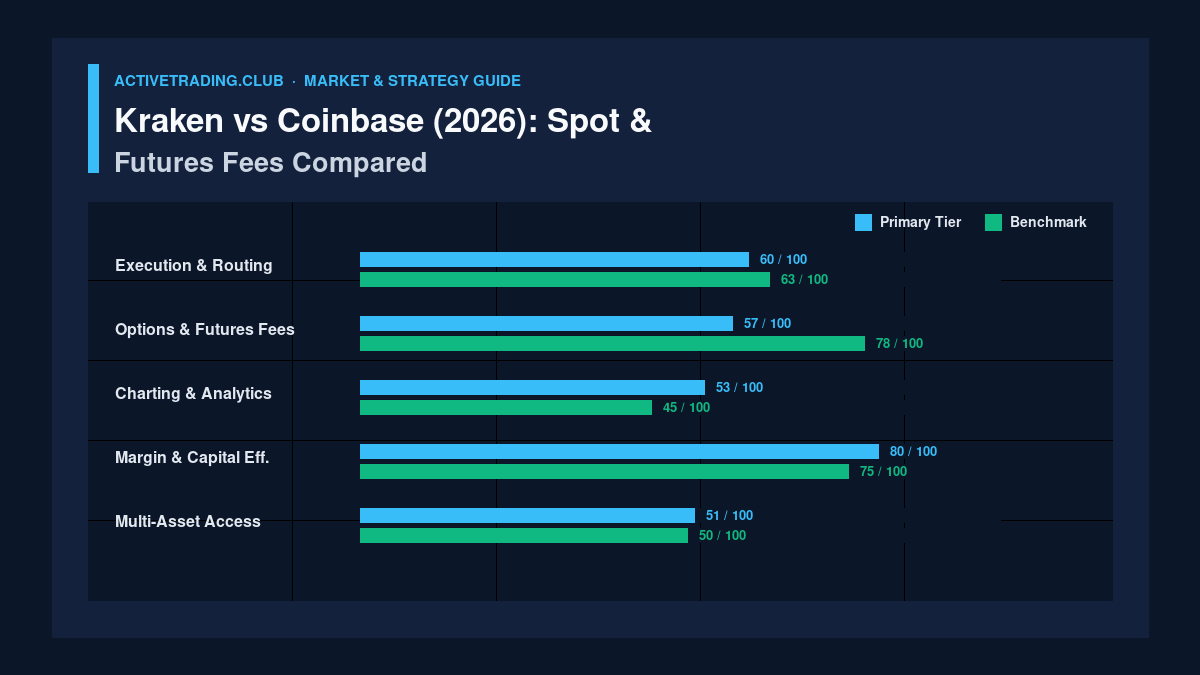
Kraken (Visit Kraken) and Coinbase (Visit Coinbase) are the two longest-standing fiat on-ramps most traders shortlist — and in 2026 both overhauled their fee schedules. Kraken switched to cross-platform tiers in July 2026 (your best of spot volume or assets on platform sets your rate), and Coinbase revised Advanced fees on September 16, 2026 with different entry rates per region. The headline answer changed with them. ...
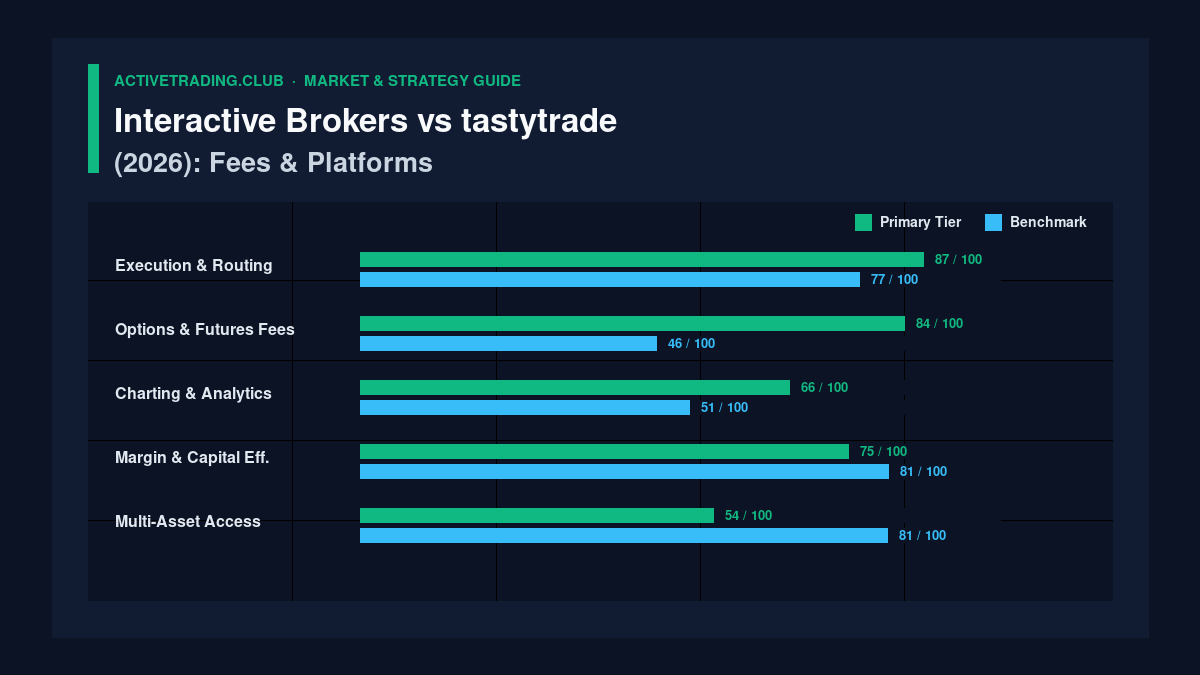
Interactive Brokers (IBKR) and tastytrade sit at the top of almost every active trader’s shortlist — for completely different reasons. Interactive Brokers is a global, multi-asset execution powerhouse built around institutional-style order routing, low margin rates, and access to 150+ market centers across stocks, options, futures, forex, and bonds. tastytrade is a purpose-built US options and futures platform designed from the ground up for multi-leg options sellers, visual payoff curve analysis, and capped per-leg options commissions. ...
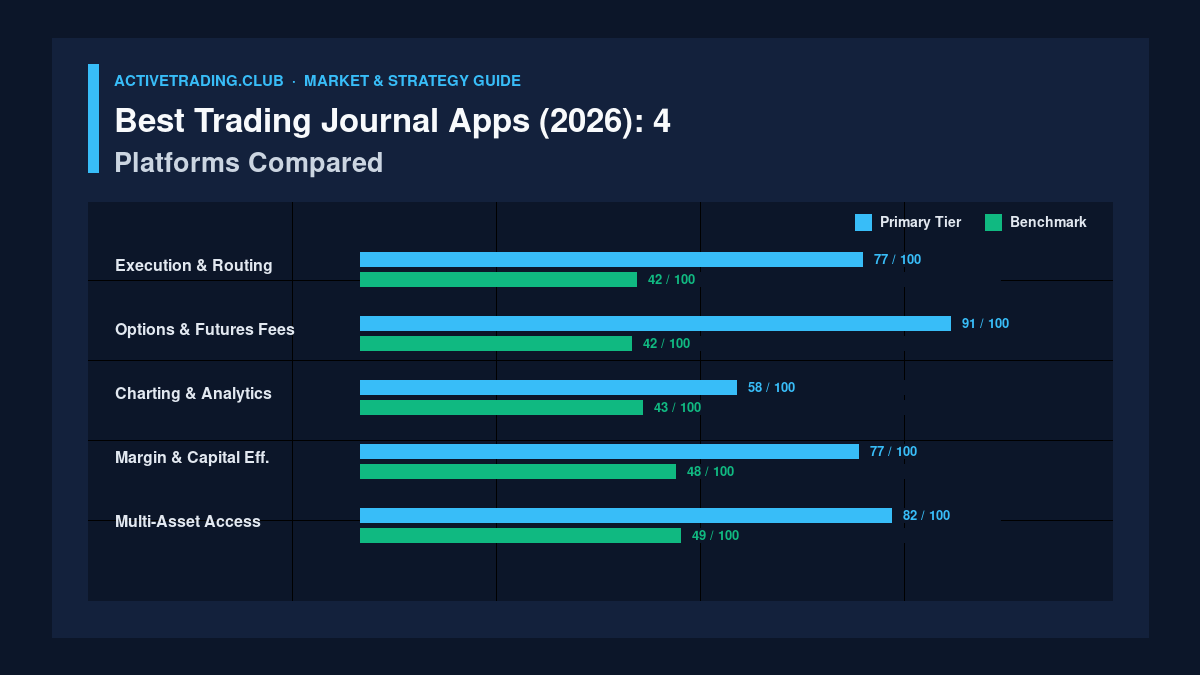
Most retail traders spend hours debating entry indicators and almost no time auditing why their losing trades actually lost money. A structured trading journal turns raw brokerage fills into actionable answers: which setup has positive expectancy after fees, which time of day drains your P&L, whether you are cutting winners inside your target R-multiple, and how much money impulsive rule-breaks cost you each month. Below we compare the four leading dedicated trading journals in 2026 — TradesViz, TraderSync, Edgewonk, and TradeZella — using pricing and plan limits verified against each provider’s published pricing page in October 2026, plus when a free spreadsheet is still the smarter choice. ...
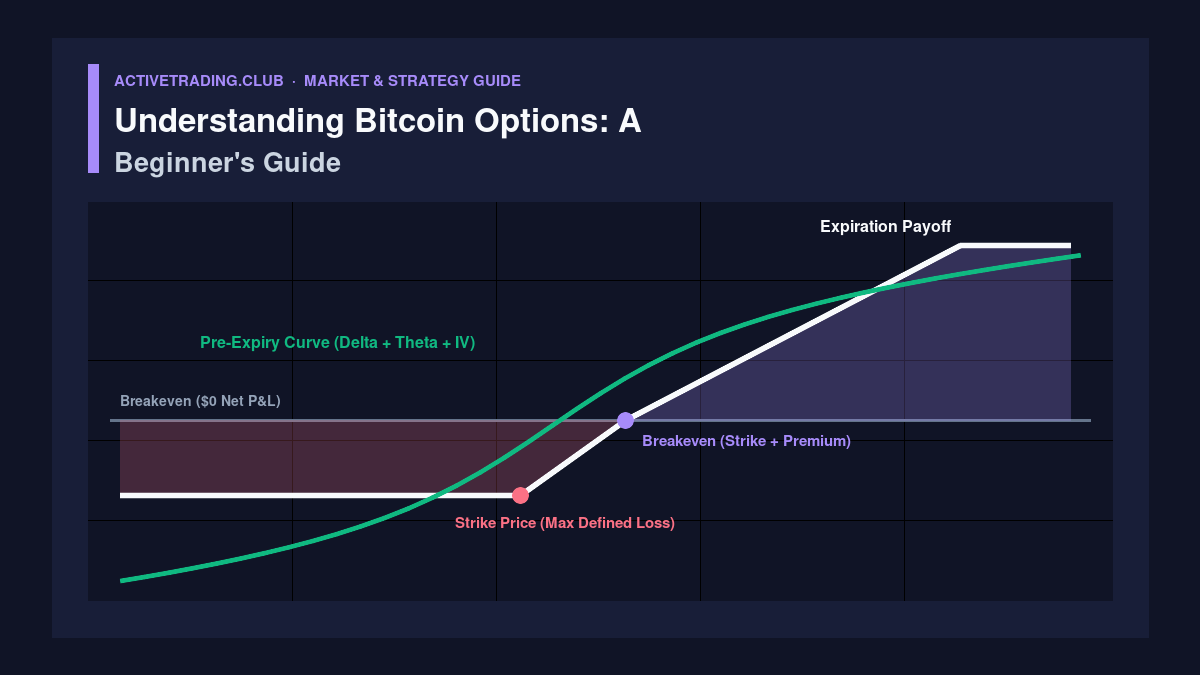
Bitcoin options provide traders with a way to manage Bitcoin exposure while defining their risk, but they are not as straightforward as spot purchases. When used effectively, these options can aid in speculating on price direction, hedging existing Bitcoin holdings, or structuring trades for steady income. However, improper use can lead to rapid losses due to time decay and poor strike selection. Understanding Bitcoin Options A Bitcoin option is a derivative contract that grants the buyer the right, but not the obligation, to buy or sell Bitcoin at a predetermined price before a specified expiration date. This predetermined price is referred to as the strike price, and the cost of the option is known as the premium. ...
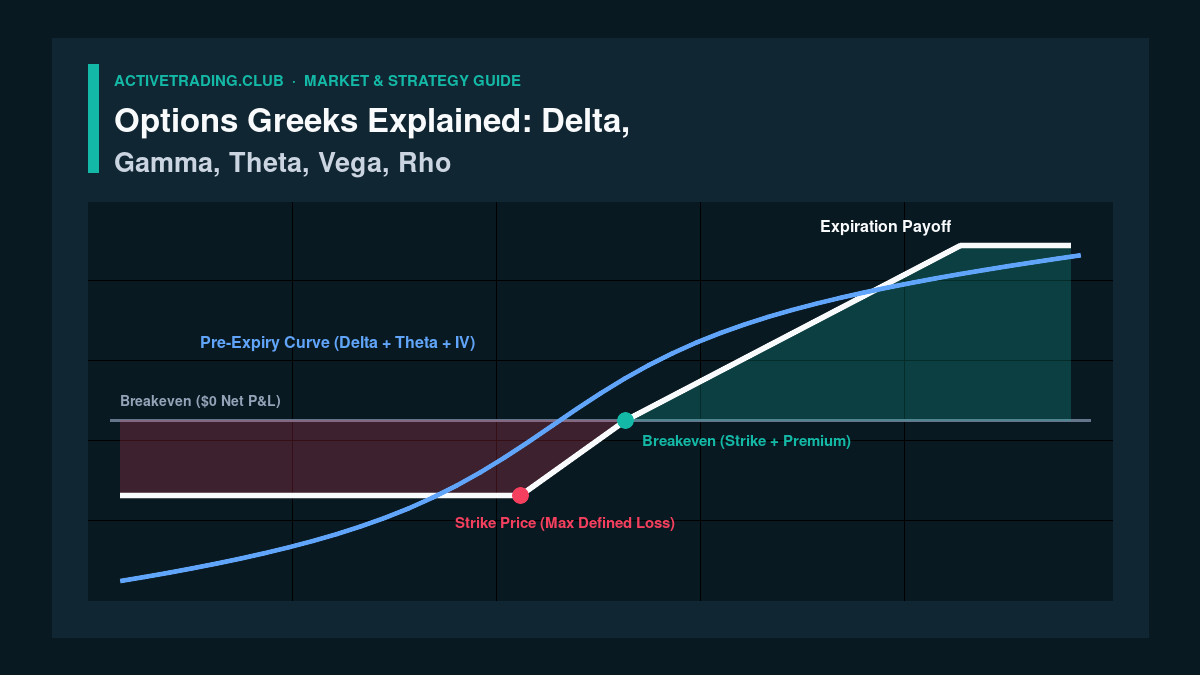
Options Greeks Explained: A Trader’s Guide to Options Pricing Options trading can initially seem straightforward, but as you delve deeper, many traders find themselves facing challenges due to a lack of understanding of how options pricing works. While you may grasp the basics of calls and puts, misreading trades often stems from not comprehending how an option’s price behaves. This is where the Greeks come into play. They serve as a dashboard for options risk, indicating how an option might respond to changes in stock price, time, volatility, interest rates, and dividends. ...
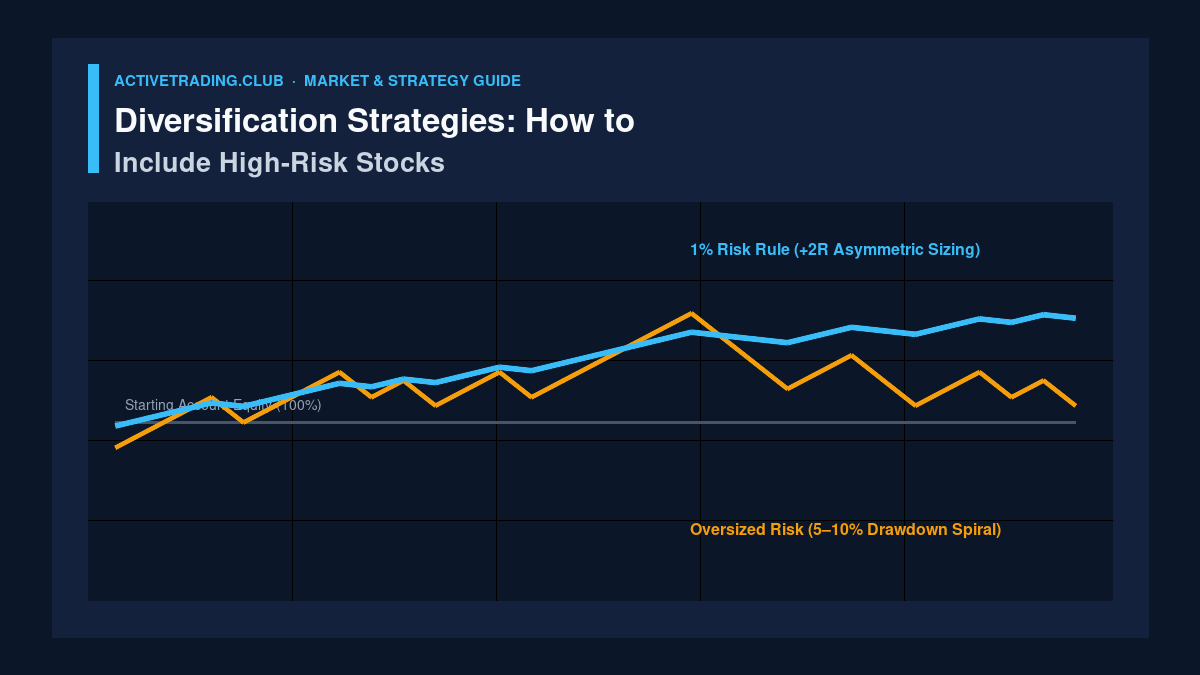
Diversification Strategies: How to Include High-Risk Stocks High-risk stocks can be an important part of a diversified portfolio, but they should be viewed as satellite positions rather than the main focus. The objective is not to eliminate risk entirely, but to ensure that a single poor investment or market shift does not severely impact the overall portfolio. Many investors struggle with this balance. Some may completely avoid speculative stocks and miss out on potential gains, while others may overinvest and create a portfolio filled with correlated risks. A more effective approach involves clearly defining how much risk you’re willing to take, determining the role of high-risk stocks in your strategy, and sizing your investments so that any failures remain manageable. ...
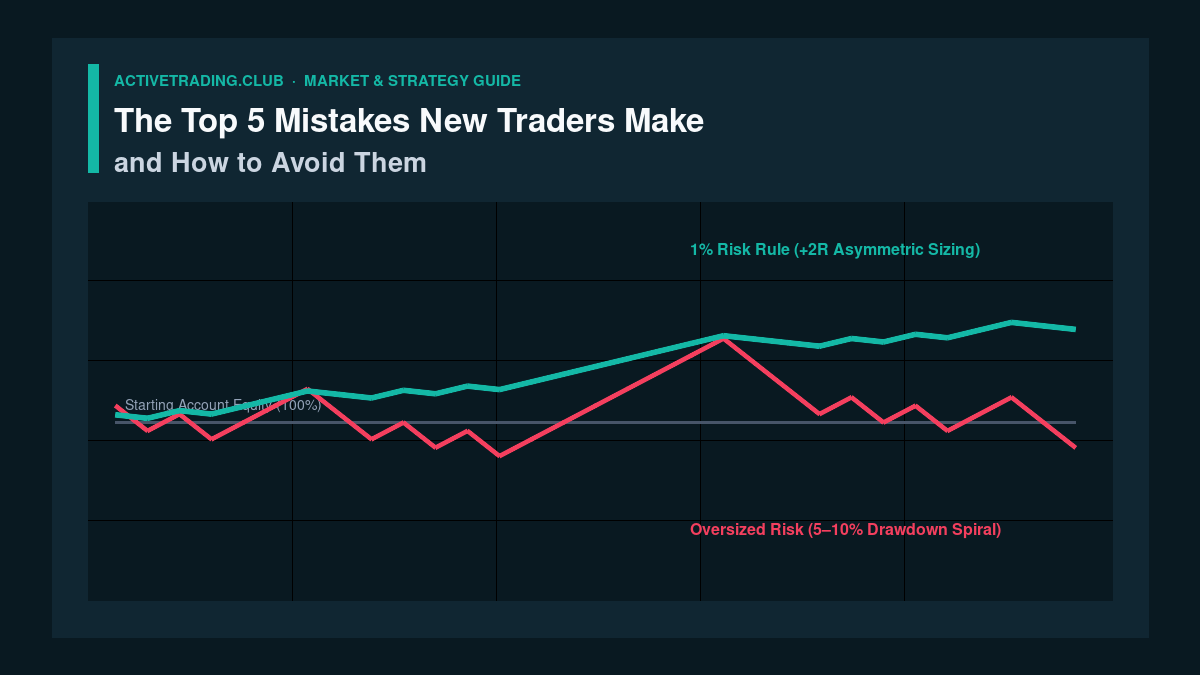
The Top 5 Mistakes New Traders Make and How to Avoid Them New traders often struggle not because they lack the right indicators, but due to an ineffective approach to the market. Early losses frequently stem from poor risk management, emotional decision-making, and unrealistic expectations, rather than a deficiency in technical skills. Addressing a few key mistakes can lead to improved trading results more quickly than learning additional strategies. Here are five common mistakes I see among new traders, along with practical solutions to help avoid them. ...
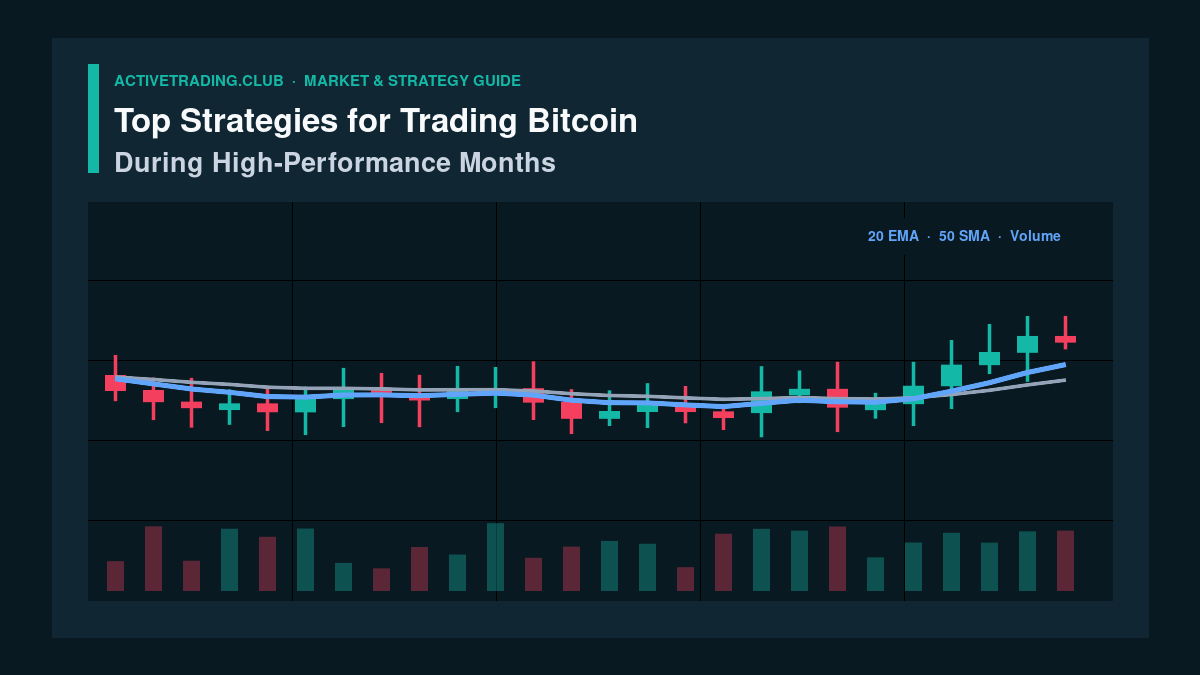
Top Strategies for Trading Bitcoin During High-Performance Months Bitcoin exhibits notable seasonal tendencies, with certain months historically outperforming others. However, these patterns are not as straightforward as many traders may think. Effectively trading during these so-called “high-performance months” requires combining seasonality with other factors such as market structure, volatility, liquidity, and risk management. Research indicates that months like October, November, February, July, and parts of Q4 tend to yield better returns, whereas September often sees weaker performance. ...
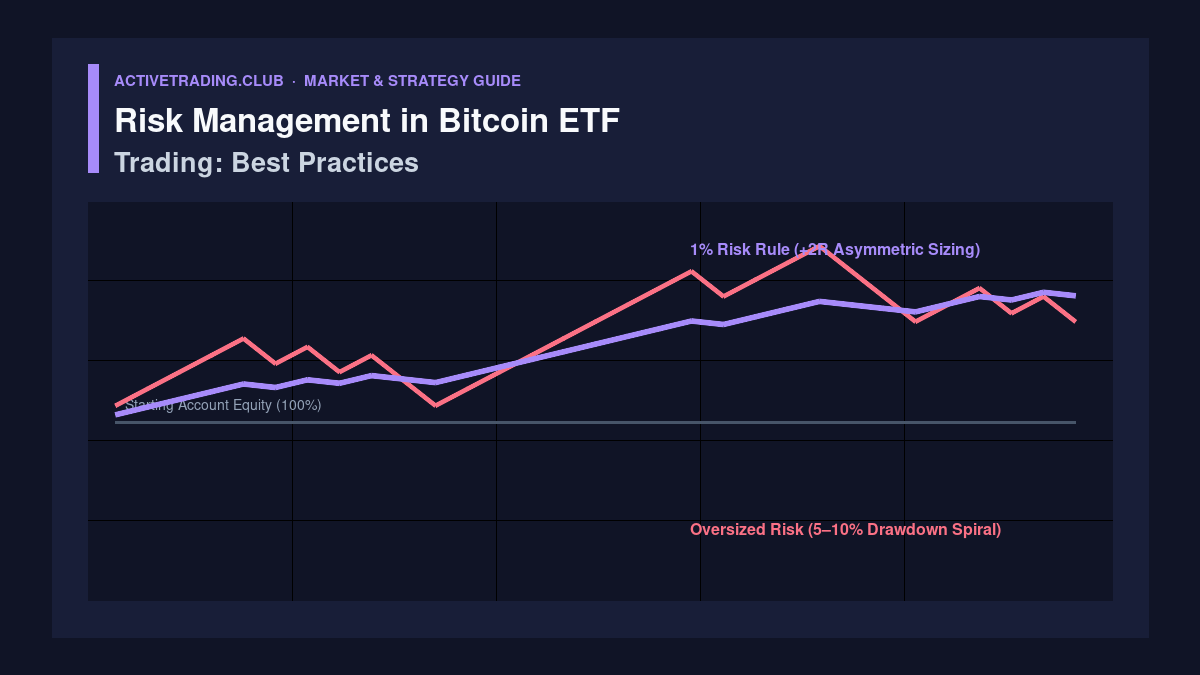
Risk Management in Bitcoin ETF Trading: Best Practices Trading Bitcoin ETFs can appear more straightforward than purchasing spot bitcoin on a crypto exchange; however, the risks associated with these products remain significant. The price of Bitcoin is still subject to considerable volatility, spreads can widen unexpectedly, fees are an important consideration, and the ETF structure introduces unique execution and liquidity challenges. The prospectuses for Bitcoin-related ETFs consistently highlight that Bitcoin is speculative and can lead to substantial or even total losses. ...